BioCera
Biosynthetic for Bone Voids
Science
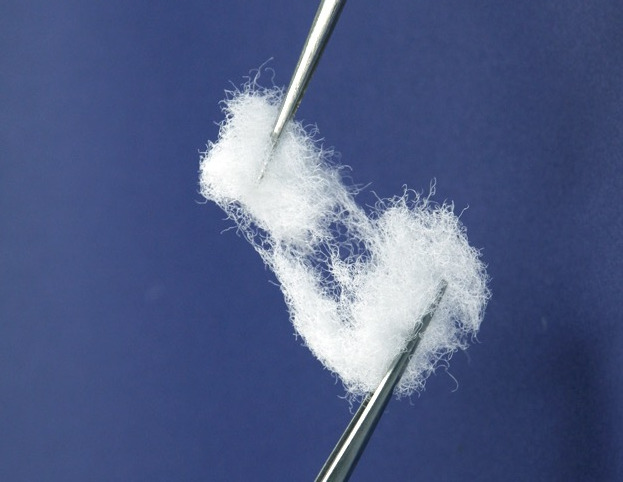
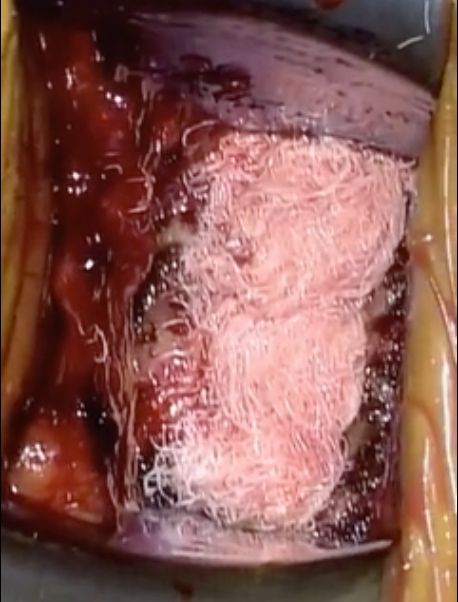
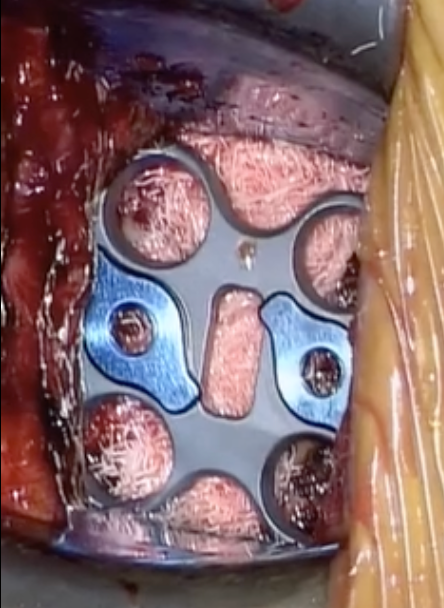
BioCera Fibers represent an electrospun, fiber-based synthetic bone graft substitute that combines bioceramic chemistry with ECM-like architecture, enabling improved cellular integration, vascularization, and predictable bone regeneration. Clinically, the scaffold is moldable, elastic, and conformable, allowing complete defect filling without migration, and is gradually resorbed and replaced by native bone during remodeling.
BioCera Fibers are a synthetic, resorbable bone void filler designed as a biomimetic scaffold for bone regeneration. They are composed of a composite of β-tricalcium phosphate (β-TCP), bioresorbable polymers (e.g., PLLA/PLGA), and silicate/calcium carbonate phases, materials widely used in orthopedics for osteoconductivity and biocompatibility.
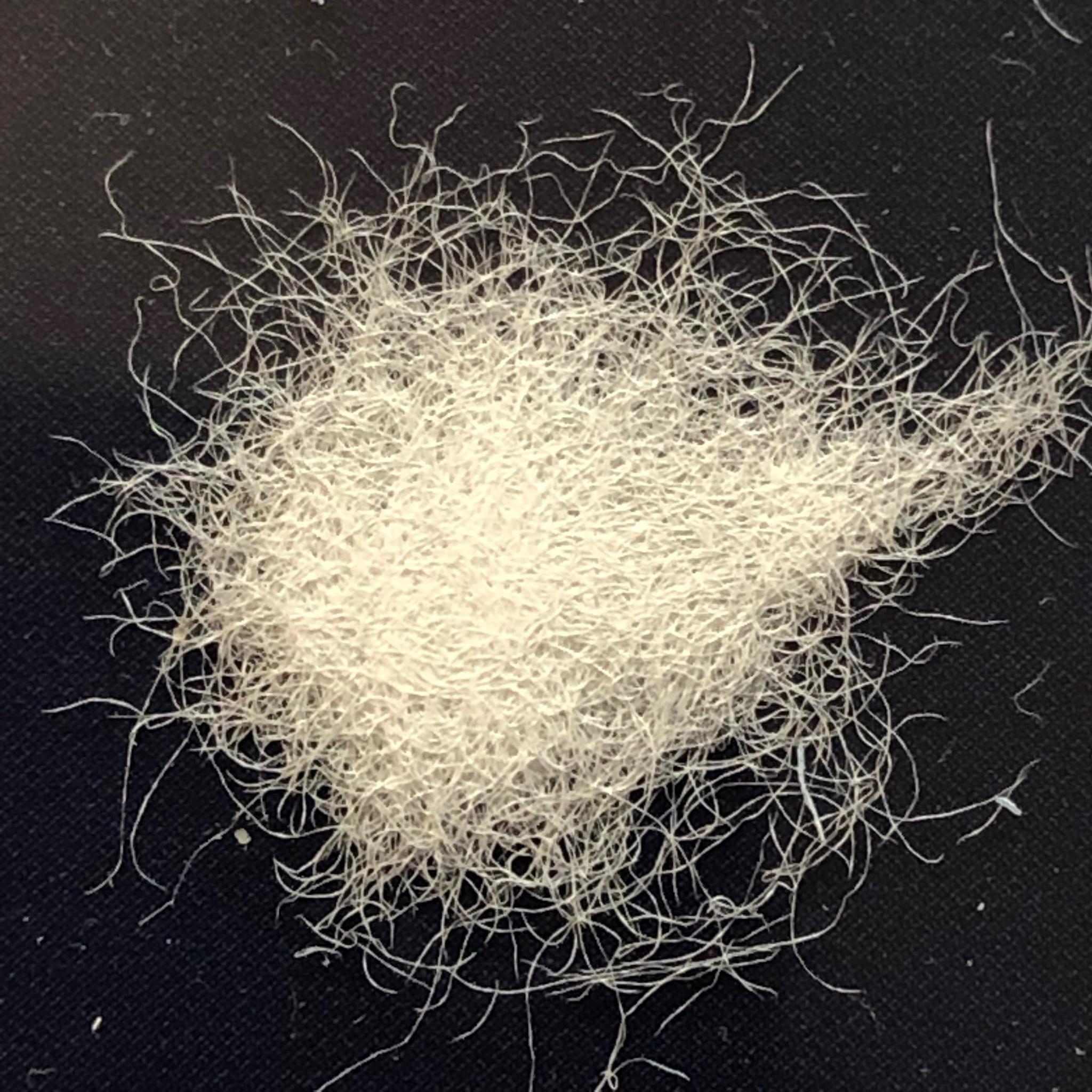
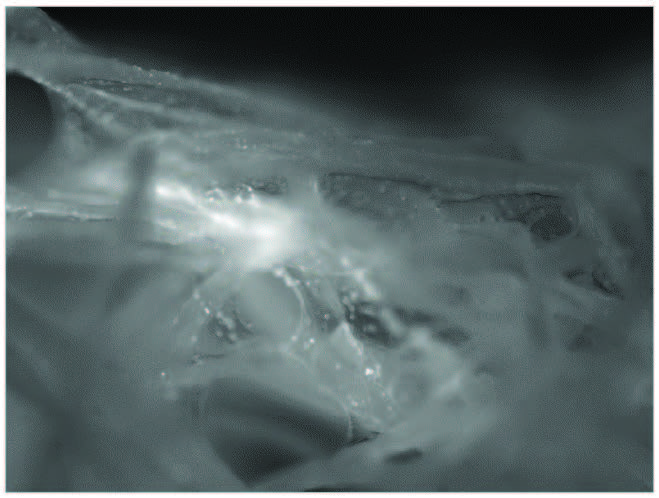
The defining feature is a non-woven, electrospun microfiber architecture, producing a cotton-like, highly porous scaffold with interconnected macro- and microporosity. This structure supports cell adhesion, proliferation, and vascular ingrowth, functioning as a template for osteoblast migration and bone formation.
BioCera fibers are hydrophilic and highly absorbent, enabling retention of blood, marrow aspirate, and growth factors, which enhances the local biological environment and promotes osteogenesis.
Evidence of accelerated cellular activity and mineralization compared to traditional particulate grafts is attributed to its high surface area and fiber-based spatial organization.
Case Studies
FSS Contract Veteran Administration Documents